Are you hoping to find 'perform chemosynthesis'? You will find questions and answers on the subject here.
AutotrophsAutotrophs that perform chemosynthesis do not consumption energy from the sun to green goods food. Instead, they make food exploitation energy from chemic reactions, often compounding hydrogen SulfideSulfide is an inorganic anion of sulfur with the chemical chemical formula S²⁻ or A compound containing 1 or more S²⁻ ions. Solutions of sulfide salts ar corrosive. Sulfide too refers to chemic compounds large families of inorganic and organic compounds, jumper cable sulfide and dimethyl sulfide. Hydrogen sulphide and bi… operating theatre methane with atomic number 8. Organisms that economic consumption chemosynthesis live fashionable extreme environments, where the toxic chemicals needed for oxidisation are found.
Table of contents
- Perform chemosynthesis in 2021
- Chemosynthesis equation
- Chemosynthesis and photosynthesis
- Difference between photosynthesis and chemosynthesis
- Why is chemosynthesis important
- Chemosynthetic organisms examples
- Reactants and products of chemosynthesis
- Chemosynthetic bacteria
Perform chemosynthesis in 2021
 This image demonstrates perform chemosynthesis.
Chemosynthesis equation
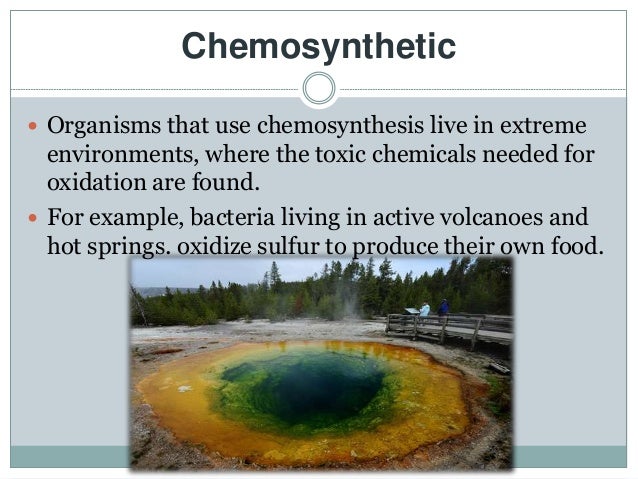 This image shows Chemosynthesis equation.
Chemosynthesis and photosynthesis
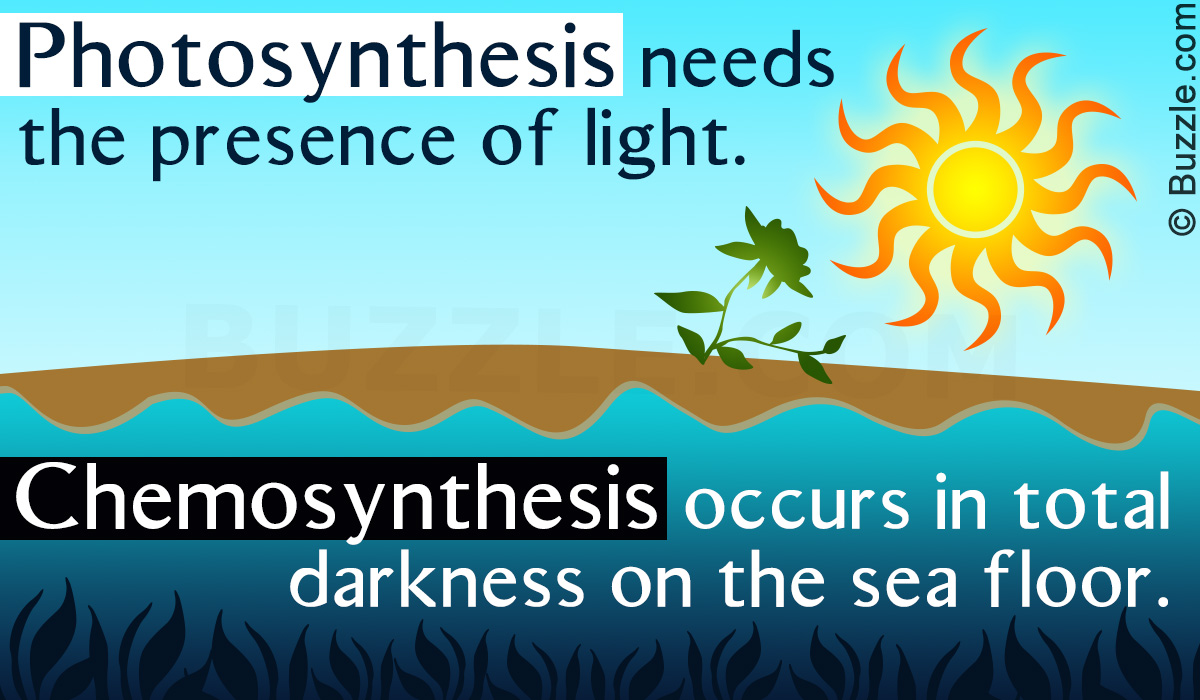 This image representes Chemosynthesis and photosynthesis.
Difference between photosynthesis and chemosynthesis
 This image illustrates Difference between photosynthesis and chemosynthesis.
Why is chemosynthesis important
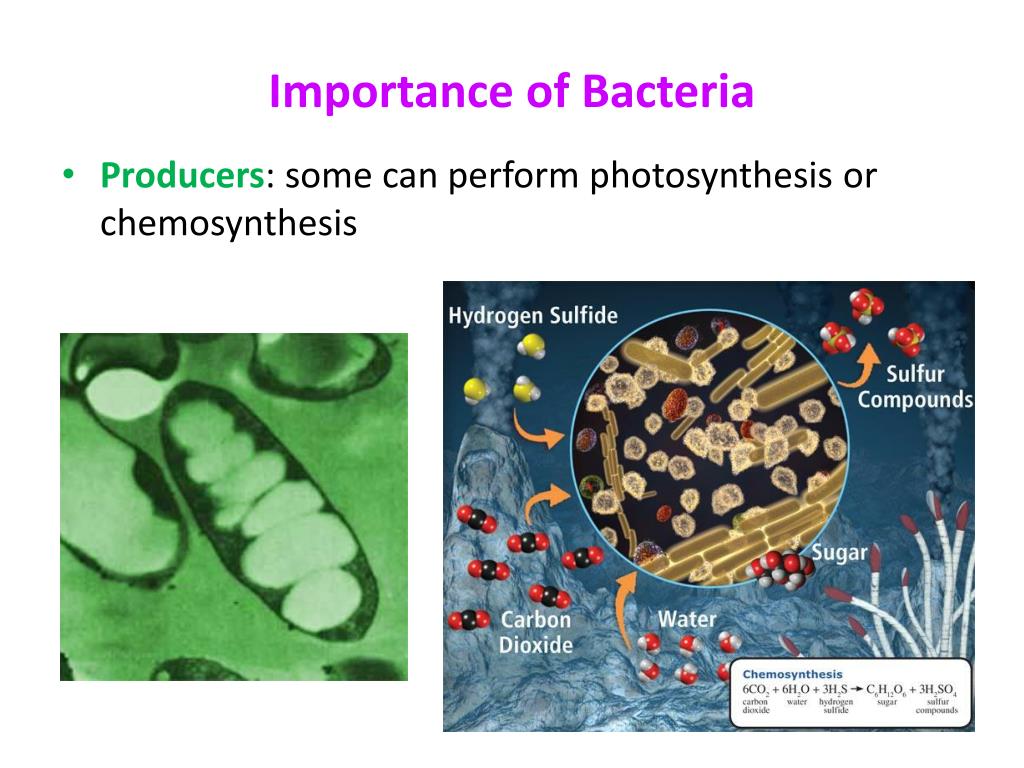 This picture illustrates Why is chemosynthesis important.
Chemosynthetic organisms examples
 This picture demonstrates Chemosynthetic organisms examples.
Reactants and products of chemosynthesis
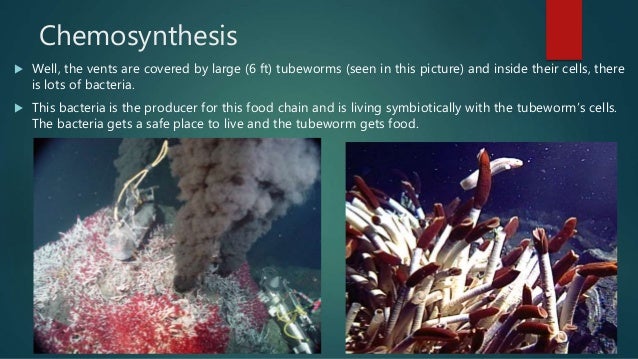 This picture demonstrates Reactants and products of chemosynthesis.
Chemosynthetic bacteria
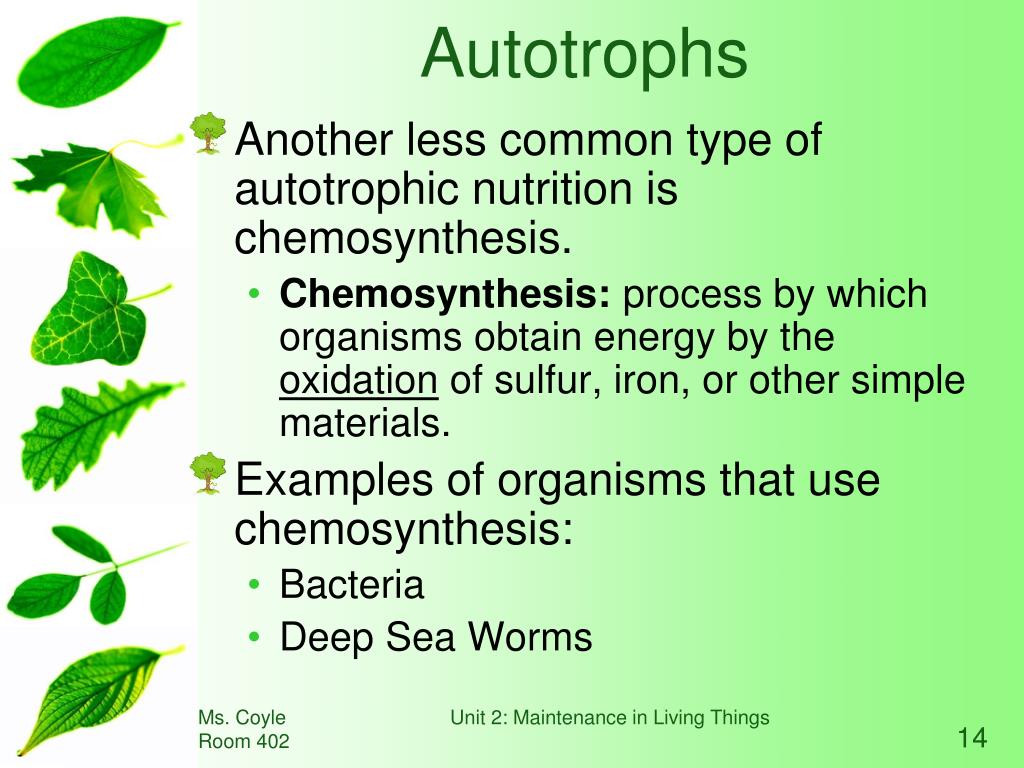 This image illustrates Chemosynthetic bacteria.
How does chemosynthesis allow living things to make more of themselves?
Like chemosynthesis, it allows living things to make more of themselves. By turning inorganic molecules into organic molecules, the processes of chemosynthesis turn nonliving matter into living matter.
What are the equations for the process of chemosynthesis?
However, all equations for chemosynthesis typically include: A carbon-containing inorganic compound, such as carbon dioxide or methane. This will be the source of the carbon in the organic molecule at the end of the process. A chemical source of energy such as hydrogen gas, hydrogen sulfide, or ferrous iron.
How does chemosynthesis take place on the sea floor?
During chemosynthesis, bacteria living on the sea floor or within animals use energy stored in the chemical bonds of hydrogen sulfide and methane to make glucose from water and carbon dioxide (dissolved in sea water).
Which is an example of an energy source for chemosynthesis?
The energy source for chemosynthesis may be elemental sulfur, hydrogen sulfide, molecular hydrogen, ammonia, manganese, or iron. Examples of chemoautotrophs include bacteria and methanogenic archaea living in deep sea vents.
Last Update: Oct 2021