Are you ready to find 'spurn head case study'? Here you can find questions and answers about the issue.
Table of contents
- Spurn head case study in 2021
- Spurn head map
- Spurn head facts
- Spurn head erosion
- What type of landform is spurn head
- Spurn head coastal management
- Spurn head salt marsh
- Spurn point
Spurn head case study in 2021
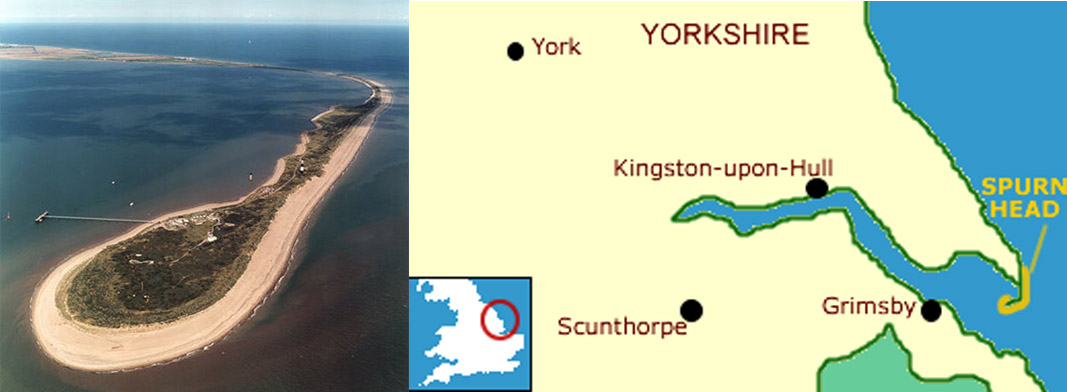 This picture illustrates spurn head case study.
Spurn head map
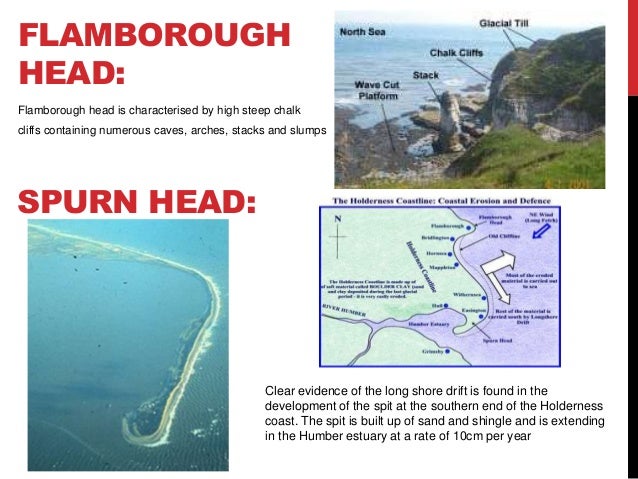 This image demonstrates Spurn head map.
Spurn head facts
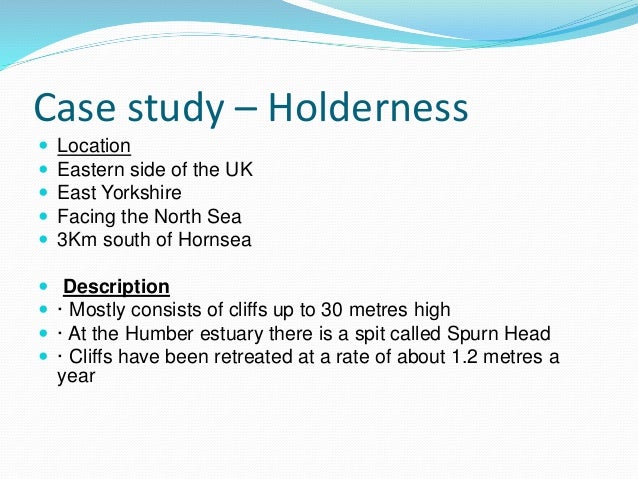 This image demonstrates Spurn head facts.
Spurn head erosion
 This image demonstrates Spurn head erosion.
What type of landform is spurn head
 This picture shows What type of landform is spurn head.
Spurn head coastal management
 This picture representes Spurn head coastal management.
This picture representes Spurn head coastal management.
Spurn head salt marsh
 This image representes Spurn head salt marsh.
Spurn point
 This image demonstrates Spurn point.
What kind of feature is the Spurn Point?
This includes sand, sediment and shingle. Spurn is an example of a feature geographers call a spit. The spit forms a sweeping curve which continues the line of the coast. The sand which forms the spit has been transported along the Holderness Coast by longshore drift.
How big is Spurn Point on the Holderness coast?
Location of Spurn. The area known as Spurn forms the southern extremity of the Holderness coast and includes the unique feature of Spurn Point, a sand and shingle spit 5.5km long, reaching across the mouth of the Humber. Geology of Spurn. Spurn is made up of the material which has been transported along the Holderness Coast.
How are Great Cowden and Spurn Head protected?
Spurn Head is protected with groynes and rock armour. There has been an increase in erosion at Great Cowden because of the groynes used in Mappleton. This has led to farms being destroyed by the erosion and the loss of 100 chalets at the Golden Sands Holiday Park.
Why is Spurn Head at the end of Holderness cliffs?
Spurn Head ‘hangs like a rudder’ for six kilometres off the end of Holderness, built by the sands and gravels eroded from the cliffs and transported south by longshore drift 5. In the past Spurn Head seems to have grown and been washed away in a regular cycle, slowly moving towards the east to keep pace with the erosion of the Holderness cliffs.
Last Update: Oct 2021