Are you having trouble finding 'relative frequency homework'? Here you will find all the details.
Unless you are fitting completing a mathematics homework assignment, calculative relative frequency broadly speaking implies that you have some class of data. Behaviour your experiment OR study and cod the data. Determine how precisely you wish to account your results. For example, suppose you are collecting information on the ages of people WHO attend a careful movie.
Table of contents
- Relative frequency homework in 2021
- Relative frequency worksheet kuta
- Relative frequency excel
- Relative frequency worksheet with answers
- Cumulative relative frequency
- Relative frequency worksheet pdf
- Two-way tables and relative frequency worksheet
- Unit scatter plots and data homework 5 answer key
Relative frequency homework in 2021
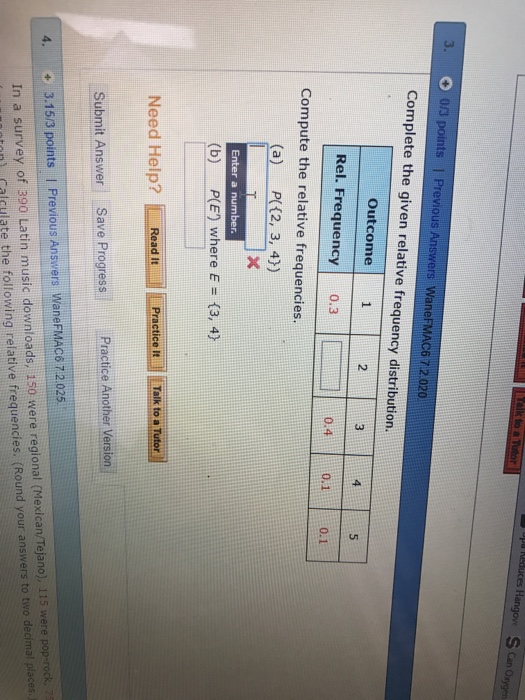 This picture shows relative frequency homework.
Relative frequency worksheet kuta
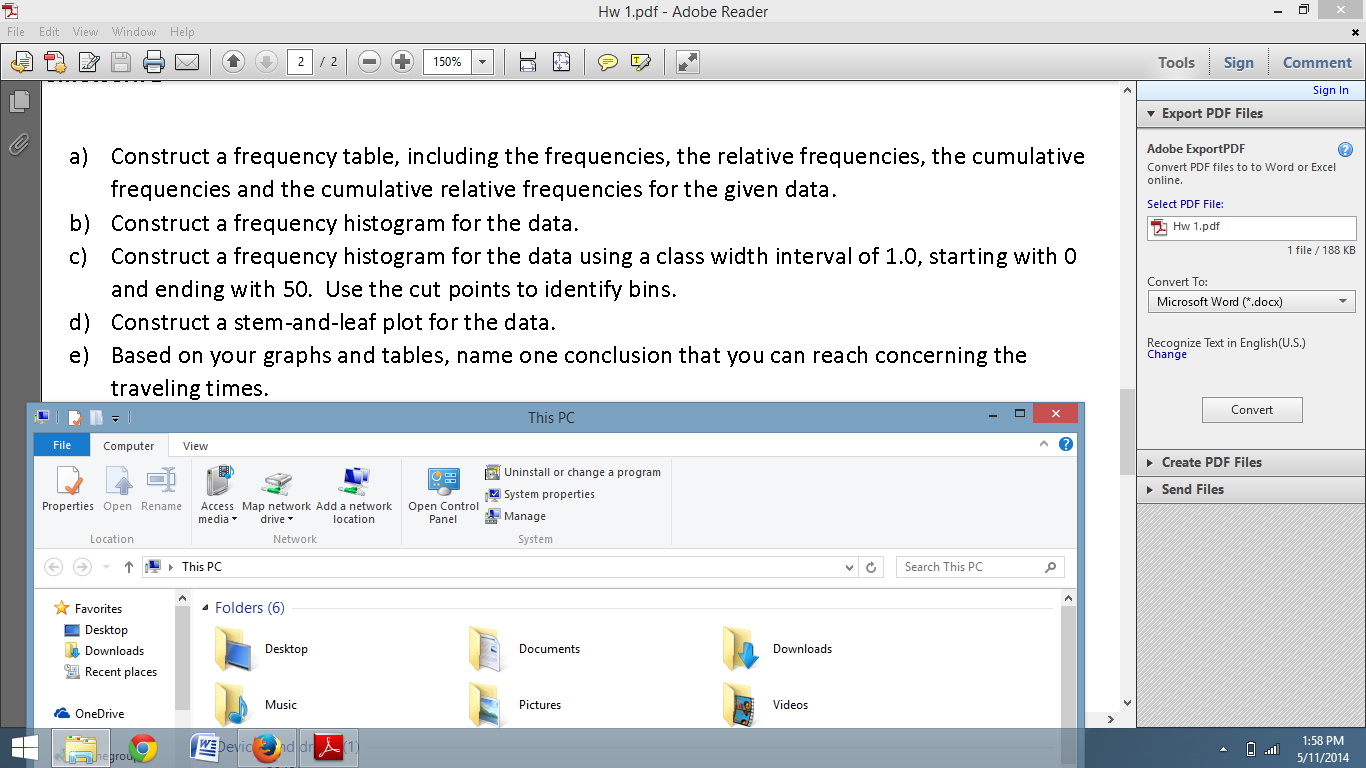 This picture shows Relative frequency worksheet kuta.
Relative frequency excel
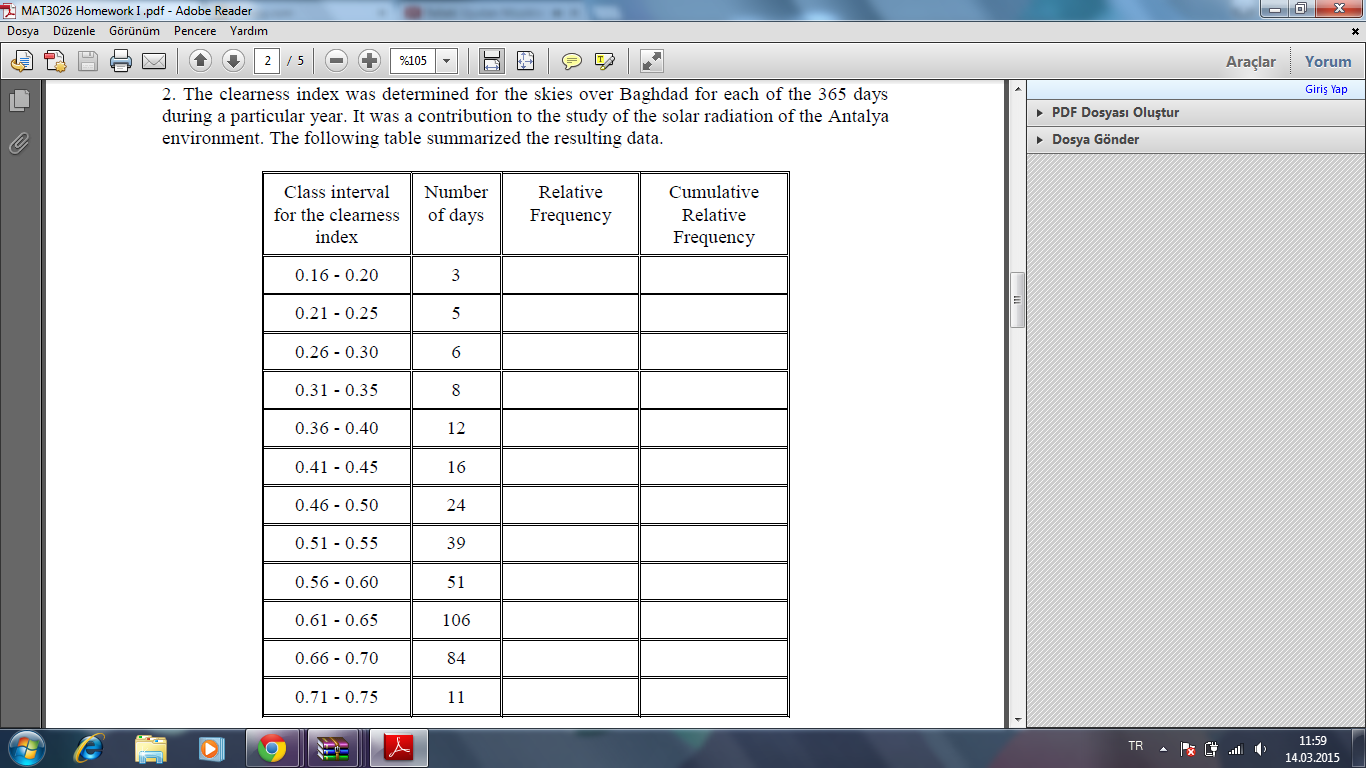 This image representes Relative frequency excel.
Relative frequency worksheet with answers
 This picture representes Relative frequency worksheet with answers.
Cumulative relative frequency
 This picture shows Cumulative relative frequency.
Relative frequency worksheet pdf
 This image illustrates Relative frequency worksheet pdf.
Two-way tables and relative frequency worksheet
 This picture shows Two-way tables and relative frequency worksheet.
Unit scatter plots and data homework 5 answer key
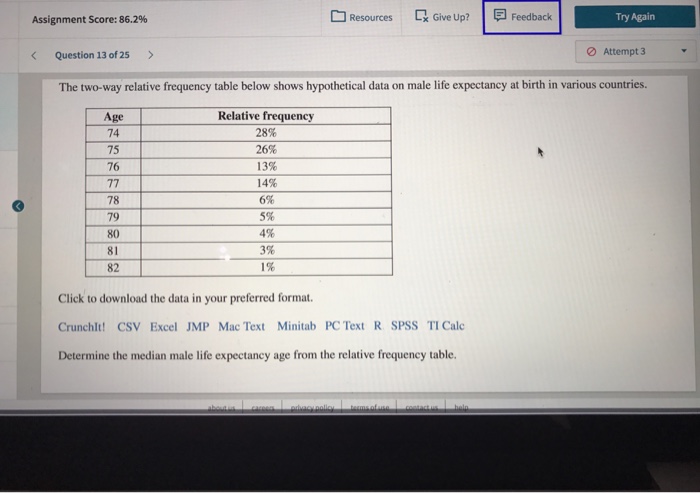 This image demonstrates Unit scatter plots and data homework 5 answer key.
How to find the relative frequency of an observation?
(a) The relative frequency is the proportion (or percent) of observations within a category. It can be found by dividing the frequency by the sum of all of the frequencies. The sum of the frequencies is 1744.
How to calculate the frequency of a rollercoaster?
Give your frequencies in percents. In order to solve this problem, we’ll need to do the following things: Compute the total number of rollercoasters in the world (luckily, this was problem #1). Divide the value in each category by the total number of rollercoasters in the world. Multiply each value by 100. Format the output in a nice table.
How are relative and absolute frequencies calculated in statistics?
In statistics, there are absolute frequency (the number of times a data point appears), relative frequency (usually presented as a percentage), or cumulative frequency. Cumulative frequency begins at 0 and adds up the frequencies as you move through your list.
Are there any problems with the relative frequency worksheet?
Check worksheet to make sure there are no mistakes in the questions. These were made during my PGCE year and I no longer teach so haven't rectified any problems, but I though I'd share. Made for Year 9 middle set.
Last Update: Oct 2021