Do you scour the internet for 'case study listeria'? Here you will find all the details.
Listeria monocytogenesListeria monocytogenes is the species of pathogenic bacteria that causes the transmission listeriosis. It is a facultative anaerobiotic bacterium, capable of surviving in the presence or petit mal epilepsy of oxygen. IT can grow and reproduce inside the host's cells and is one of the most unpleasant foodborne pathogens, with 20 to 30% of foodborne listeria meningitis infections in risky individuals may Be fatal. Responsible for an estimated 1,600 illnesses and 260 death… Case-Control Cogitation, 2000 In 2000, FoodNet conducted A case-control study to identify risk factors for sporadic listeria meningitis and to depict the spectrum of illness. Results known two new conceivable risk factors: feeding melons at A commercial establishment and eating hummus embattled in a commercialised establishment.
Table of contents
- Case study listeria in 2021
- Endophthalmitis
- Listeria monocytogenes case study
- Case study listeria 04
- Case study listeria 05
- Case study listeria 06
- Case study listeria 07
- Case study listeria 08
Case study listeria in 2021
 This picture illustrates case study listeria.
Endophthalmitis
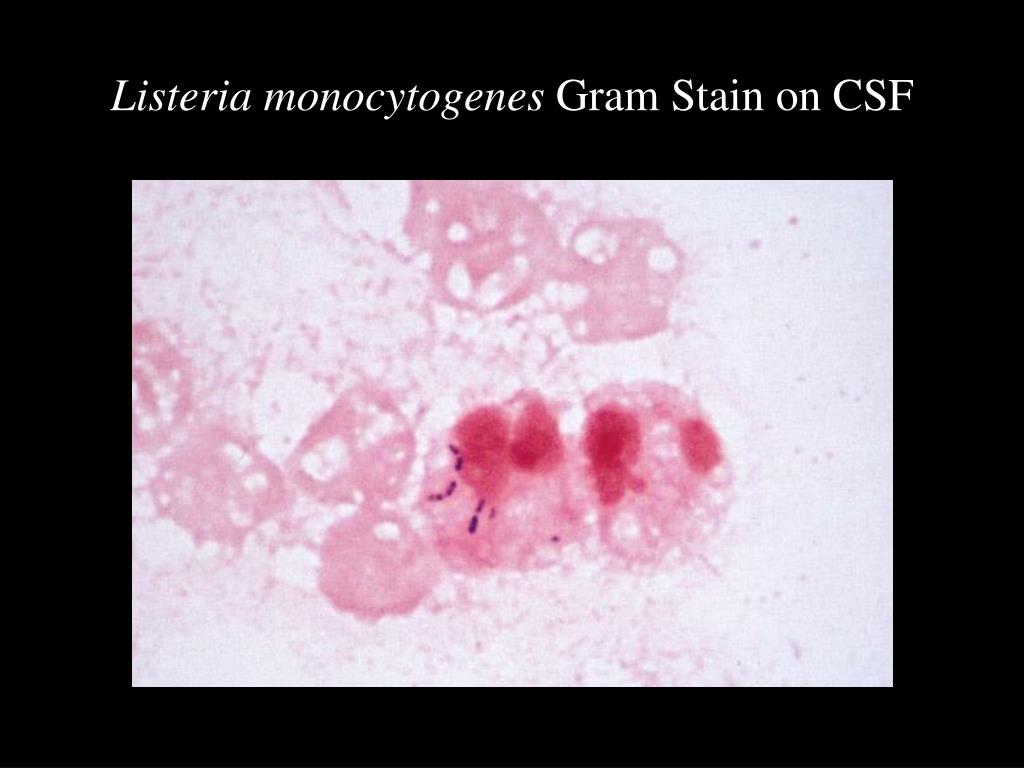 This picture demonstrates Endophthalmitis.
Listeria monocytogenes case study
 This picture shows Listeria monocytogenes case study.
Case study listeria 04
 This picture illustrates Case study listeria 04.
Case study listeria 05
 This picture illustrates Case study listeria 05.
Case study listeria 06
 This image shows Case study listeria 06.
Case study listeria 07
 This picture representes Case study listeria 07.
Case study listeria 08
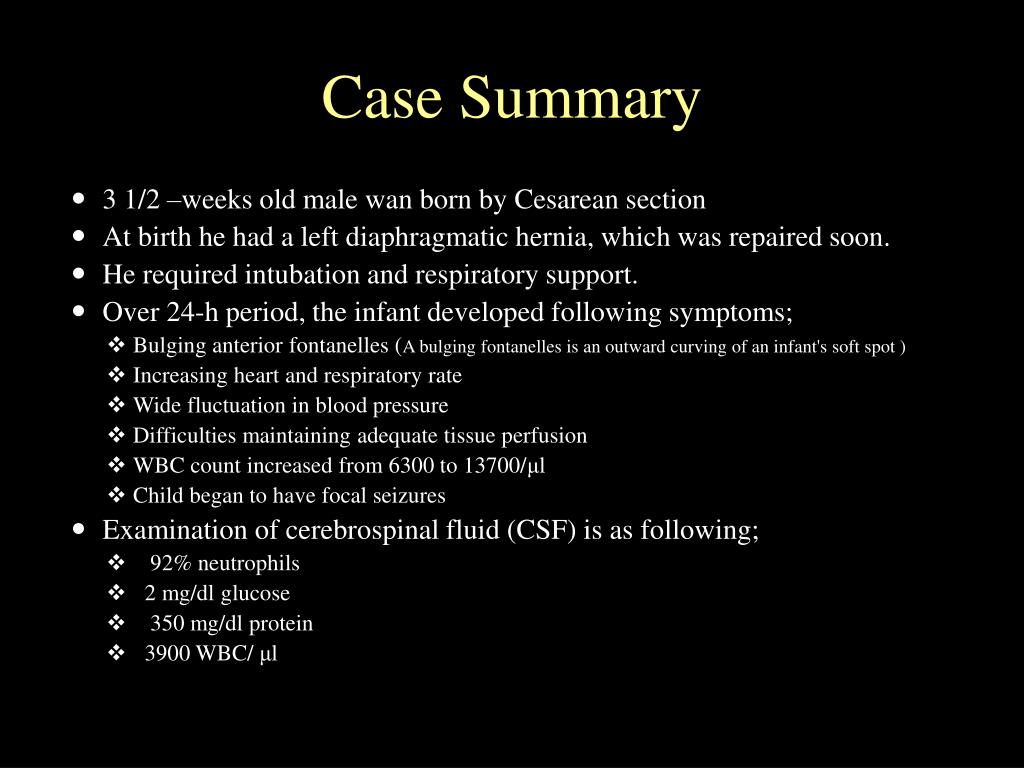 This image shows Case study listeria 08.
When to use antibiotics for Listeria monocytogenes?
Delayed diagnosis can allow significant inflammatory response to mount prior to appropriate antibiotic therapy. In the setting of a hypopyon with high IOP, Listeria should be considered and appropriate antibiotics administered, especially in light of increasing reports of Listeria food contamination.
What foods have been recalled due to Listeria?
It can grow at refrigerator temperatures and may cross-contaminate foods that are prepared or stored in the same area. In 2016, there were 196 recalls of unpasteurized dairy products, meats, seafood, nuts, fruit, and raw and frozen vegetables due to Listeria contamination nationwide.
How long is the incubation period for Listeria?
But the connection proved elusive. The nature of Listeriosis complicates investigations. The vast majority of consumers who eat contaminated food will not be sickened, and the incubation period for those who do fall ill can span two months. This leads to loosely clustered outbreaks that can unfold over months or even years.
Where was the listeria outbreak in the United States?
There was little obvious connection between the handful of isolated cases spread across Maryland, Connecticut, Washington and California. On the surface, there was nothing to make them stand out among the 1,600 cases of listeriosis seen in America every year. The CDC’s PulseNet laboratories, however, established a link early on.
Last Update: Oct 2021